


Blog
Ballistic Helmet Ratings: What You Really Need to Know


When it comes to choosing a ballistic helmet, ratings like Level IIIA or Level IV can feel confusing—and intimidating. But here’s the good news: it’s not rocket science.
Our blog will walk you through the NIJ helmet protection levels, explain what they stop, and help you pick the right gear for law enforcement duty preparation, civilian protection, or tactical missions.
Let’s dive into it!
NIJ Helmet Ratings: The Basics
The National Institute of Justice (NIJ) standard for ballistic helmets (NIJ‑STD‑0106.01) classifies helmets into three performance types, not five like body armor—but within these, they’re often referred to similarly to NIJ levels: IIIA, III, and IV. However, most helmets only go up to IIIA, and true Level IV helmets are extremely rare, heavy, and costly.
The levels of ballistic helmets are:
- Level IIIA: tested to block high‑velocity handgun rounds such as .44 Magnum and .357 SIG (about 1,400 ft/s).
- Level III: stops rifle rounds like 7.62×51 NATO (.308) or 5.56 × 45mm/.223 FMJ ball ammunition.
- Level IV: designed to stop armor‑piercing rifle rounds (e.g., .30‑06 M2 AP or .338 Lapua Magnum).
Most commercially available helmets are only certified to Level IIIA. Genuine Level III or IV helmet certification is rare or mostly military‑only; some are even tested under niche DoD/VPAM or DOD specs, not NIJ.
What Does Level IIIA Mean in Practical Terms?

A helmet rated Level IIIA protects against:
- .44 Magnum SJHP and .357 SIG FMJ rounds at around 1,400 ft/s.
- Standard 9×19 mm FMJ rounds at the same velocity.
It’s often called the “sweet spot” for general use. The testing also includes fragment/V‑50 testing to simulate grenade or artillery fragment strikes.
In real use, Level IIIA helmets like the Tuxapo FAST Level IIIA Ballistic Helmet provide strong handgun and fragment protection, and weigh around 3 to 3.5 lbs—often the balance between comfort and high protection.
Is There Such a Thing as a Level IV Ballistic Helmet?
Technically, helmets can be tested to the Level IV standard (protecting against armor-piercing rifle rounds), but they’re not widely available or practical for civilian purchase.
- Genuine Level IV helmets would be heavy, bulky, and typically military‑only.
- Many manufacturers market “Level IV”, “Level 5”, or even “Level 7” protections, but Level IV is the highest formal NIJ rating; anything beyond is marketing speak, not official.
* No legit NIJ-certified helmets higher than IIIA are easily available; some firms have obscure DoD-level specs, but not NIJ IV.
So, if you’re shopping for a genuine NIJ Level IV helmet, be very cautious. It’s very rare or not civilian accessible in practice.
Level III Helmets: Rifle Rated—What’s the Deal?
Level III helmets are rated to stop rifle rounds like 7.62×51 NATO (.308 ball) or 5.56 FMJ, but they are heavy and expensive.
- Not many civilian helmets are certified to full NIJ Level III.
- Some Ops-Core FAST RF1 helmets and similar designs are marketed as “rifle rated”, often under DoD, internal, or custom standards—claiming to stop 7.62×39 and 7.62×51 ball rounds.
- The Ops‑Core FAST XR, for instance, protects against 7.62×39 at 10 ft, but not full .308/.30‑06 ball. The RF1 can handle both, with thicker shells (~0.4″).
Even when helmets survive rifle impacts, back‑face deformation (the blunt trauma under the armor) may still cause injury. That’s why military plates or helmet systems may include “crumple zones” or trauma pads.
Level 4 vs. Level IIIA vs. Level III: Quick Comparison Table
| Rating | Protects Against | Common Use | Weight & Cost | Notes |
| III A | Handguns: .44 Magnum, .357 SIG, 9mm FMJ | Law enforcement, civilians, EOSL | ~3–3.5 lbs; moderate | Most common NIJ level; good against handgun threats & fragmentation |
| III | Rifle rounds: 7.62×51 NATO / 5.56/.223 FMJ | Specialized missions, military users | Heavier, high cost | Rare NIJ-certified; some military/ops-core variants under DoD gloss |
| IV | Armor‑piercing rifle rounds (.30‑06 M2 AP, etc.) | Theoretical; military only | Very heavy; very rare | No consumer helmets; the top NIJ level |
What Helmet Do Navy SEALs Use?
Navy SEALs and other U.S. Special Operations troops often use helmets like the Ops-Core FAST (Future Assault Shell Technology), including:
- FAST SF: lightweight, high‑cut, Level IIIA fragment and handgun protection.
- FAST RF1: the rifle-rated version with a thicker shell (~0.4″), designed to stop AK47/7.62 ball at point‑blank.
These helmets meet rigorous military impact, drop, environment, and fragmentation standards, even if they aren’t always NIJ‑tested to Level III or IV.
For example, the Enhanced Combat Helmet (ECH), the Army/Marine version, offers ~35% better protection over the ACH, handles rifle and fragmentation threats, and can be paired with optional mandibles and visors. SEALs routinely select high‑cut OPS‑Core FAST variants.
So Which Protection Level Should You Choose?
1. Everyday Law Enforcement / Civilian Use:
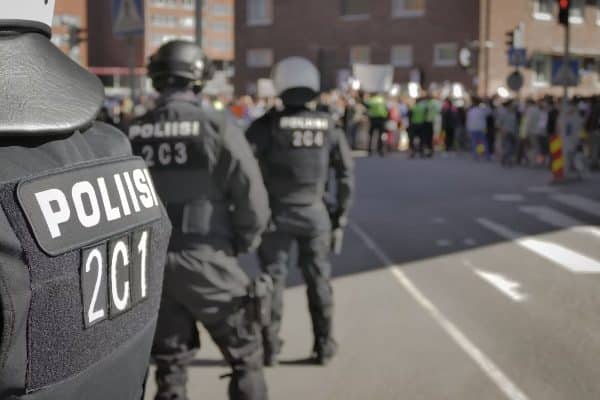
Go with a Level IIIA ballistic helmet. It stops most handgun threats and offers strong fragment resistance. They are ideal for law enforcement patrols, security operations, and urban tactical missions where the primary threats are handguns and shrapnel.
For civilian self‑defense, home security, and SHTF prep, Level IIIA ballistic helmets are lightweight and provide all‑day comfort. They’re also excellent wear for airsoft, paintball, and tactical training without the extra bulk of rifle‑rated helmets.
With reliable fragment protection, Level IIIA ballistic helmets are perfect for riot control, vehicle checkpoints, and search operations where staying mobile and comfortable is just as important as staying protected.
Popular models: Tuxapo TPH001, Tuxapo TPH002, Team Wendy Exfil, Highcom Striker 3A, Ops‑Core FAST SF.
2. Higher Threat / Tactical Missions:

If your context includes rifle threats (AK/M4), consider Rifle‑rated models like Ops‑Core FAST RF1 or similar. Be prepared for more weight and cost ($2k+), and scrutinize actual testing procedures.
3. Rare or Unavailable—Level IV:
If a brand claims a Level IV helmet, ask for NIJ 0106.01 test reports on AP rounds. It’s almost certainly a marketing claim, not proven via NIJ testing. There’s no accessible, standard civilian helmet certified to NIJ Level IV.
4. Comfort and Integration:
High‑cut helmets like Tuxapo TPH001 and Tuxapo TPH002 ballistic helmets allow better headset, NVG, and accessory mounting.
In comparison, full‑cut versions give more coverage but less modularity. Trauma pads matter for blunt force protection (back‑face deformation).
Myths, Warnings, and Tips

- “Level 5” or “Level 7”? These aren’t official NIJ levels. They’re marketing gimmicks. Official levels go IIA → II → IIIA → III → IV.
- Claims of “Level III” are often not NIJ‑certified helmets—buyers should demand documentation.
- Most helmets focus on fragmentation as the priority, not rifle bullets. That makes sense for military use, where shrapnel is more common than direct headshots.
- A helmet stopping a bullet doesn’t mean it prevents blunt trauma that causes concussions or skull fractures. Internal padding, trauma liners, and helmet geometry all reduce “back‑face deformation.”
Selecting Your Helmet: Final Advice
- Assess your threats:
- GO Level IIIA ballistic helmet if handgun and fragments are your primary threats.
- Concerned about rifle rounds close-in? Consider a rifle-rated ballistic helmet..
- Check for real test reports: Request NIJ 0106.01 or applicable DoD/VPAM certification documents.
- Balance weight, fit, cost: A ~3.3 lb helmet with full NVG capability may serve better than a heavier, “bulletproof” but impractical helmet.
- Consider modularity and mission gear: High-cut, ARC rails, NVG mounts = more flexible in field missions.

Source: Tuxapo TPH002 ballistic helmet
5. Don’t trust hype: Ignore vague “Level 5” marketing, and always verify claims before buying.
Final Thoughts
So, choosing the right ballistic helmet doesn’t have to be complicated. A certified Level IIIA helmet delivers the best balance of protection, comfort, and practicality. Rifle-rated helmets, such as the Ops-Core FAST RF1, are designed for higher-threat scenarios but come with added weight and cost.
And remember, genuine NIJ Level IV helmets are almost nonexistent for civilian use. So, treat any “Level 5” or “Level 7” claims as pure marketing. Focus on verified NIJ or military testing, consider comfort and accessory compatibility, and pick the helmet that matches your real‑world threats. By staying informed and cautious with your purchase, you’ll get reliable protection.
Here at Tuxapo, we provide affordable tactical ballistic Level IIIA helmets, keeping your head safe and mission‑ready!


