


Blog
Battle Belt Setups: Minimalist, Range, Army, EDC Battle Belt Setup Included


Whether you’re a first responder, a military enthusiast, a law enforcement officer, or just someone who loves tactical gear, a battle belt is one of the most versatile and essential pieces of equipment you can own. A proper battle belt setup can make the difference between fumbling for gear and operating efficiently under pressure.
In this blog, we’ll break down everything you need to know about battle belt setup: from the essentials and popular setups for different uses, to setup tips and how to customize yours for comfort and tactical efficiency. Let’s dive in!
What is a Battle Belt?


Image Source: TUXAPO MOLLE Tactical Battle Belts
A battle belt, also known as a war belt or tactical belt, is designed to carry essential gear without weighing down your waist or hips.
Unlike traditional belts, battle belts are modular and can hold pouches, holsters, magazines, medical kits, and other tactical accessories. When properly set up, a battle belt lets you move freely and efficiently while keeping all your essential gear accessible and organized.
Choose the Right Battle Belt

Image Source: TUXAPO Battle Belts
Before setting up your battle belt, it’s important to choose the right one. At TUXAPO, we offer heavy-duty, comfortable, and lightweight battle belts for military, army, special forces, civilian use, EDC, tactical training, range shooting, and more.
TUXAPO battle belts are made from durable yet lightweight nylon with padded lining to prevent sagging. They’re tough enough for heavy gear but still comfortable to wear. Featuring an inner-outer belt system with MOLLE webbing, our TUXAPO MOLLE battle belts let you attach pouches, holsters, and other gear securely without shifting.
In addition, our battle belts are easy to fine-tune for layering over clothing or body armor with adjustable Velcro and a Cobra buckle. The low-profile design keeps your setup clean and streamlined.
Essential Gear for Battle Belt Setup
Once you have your belt, the next step is deciding what gear you’ll carry. The goal is essential items only, enough for functionality, without overloading yourself.
1. Holster and Sidearm
If you’re carrying a firearm, a battle belt holster is essential. Place it on your strong-side hip for a natural draw. Make sure the holster has good retention to keep your weapon secure while moving.
2. Magazine Pouches
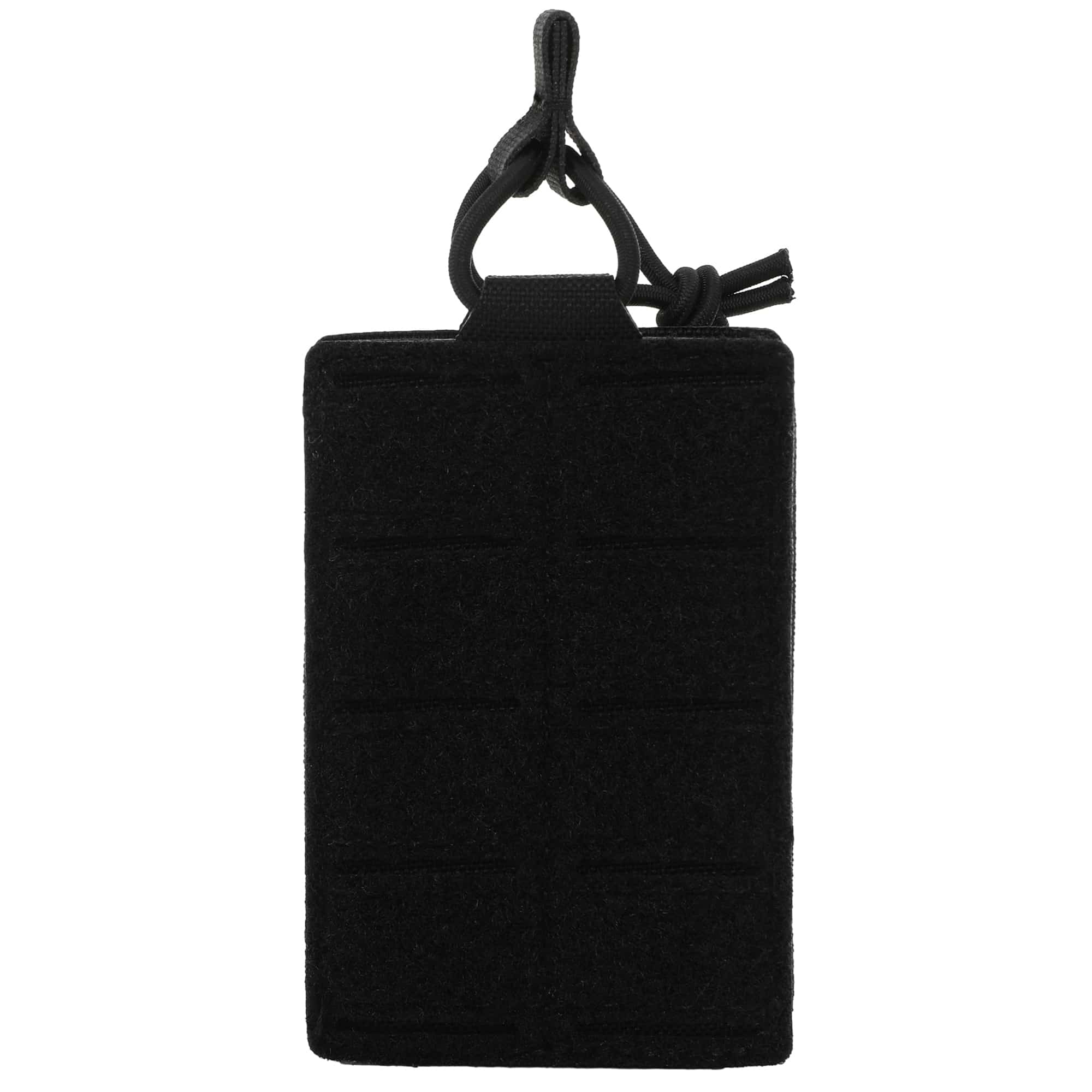
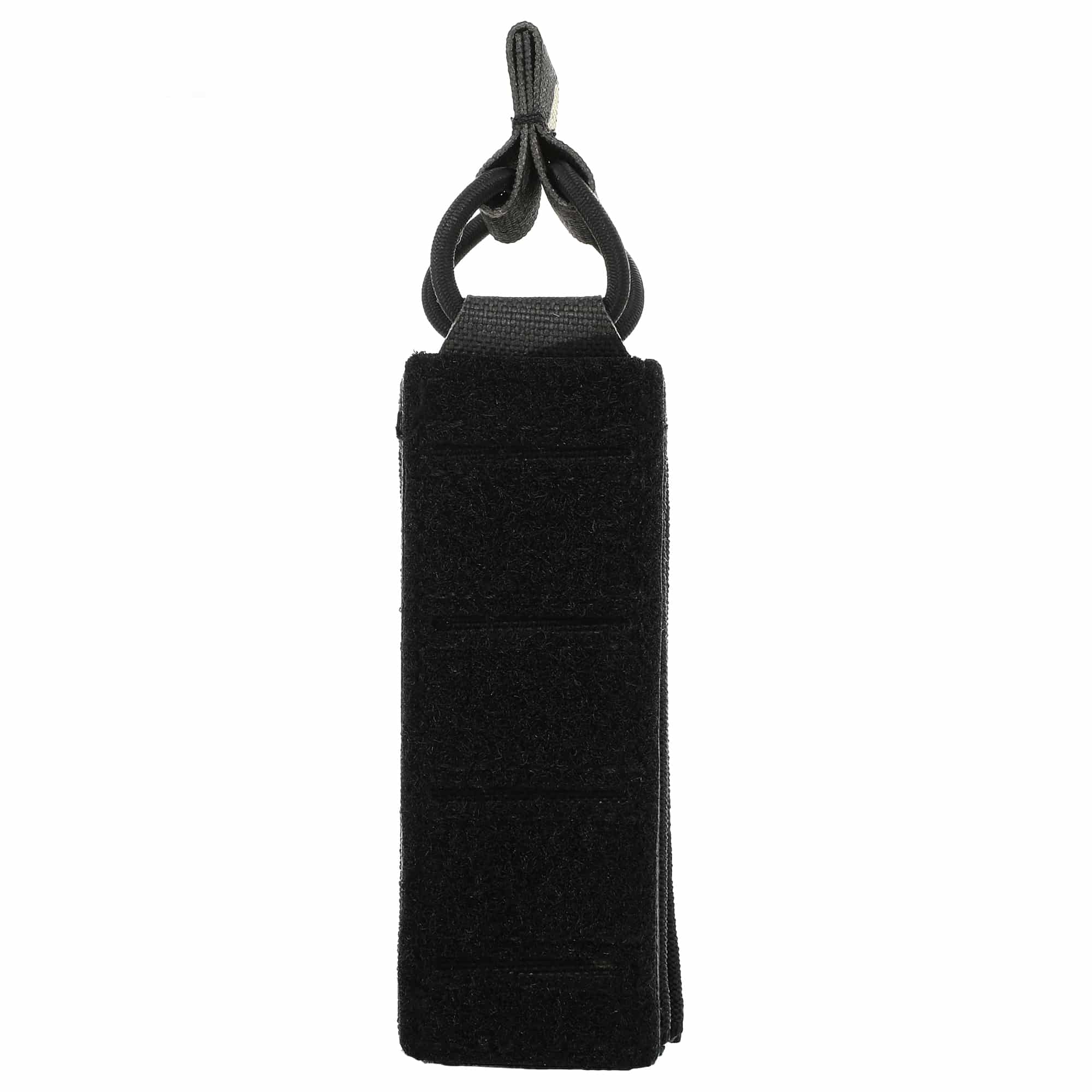

Image Source: TUXAPO MOLLE Magazine Pouches
You’ll need your spare magazines within easy reach. Choose magazine pouches with flaps, bungees, or other retention features to keep your magazines secure. Think about whether a horizontal or vertical orientation works best for your drawing style.
Most setups hold 2 to 4 magazines per side, but adjust based on your mission and available belt space.
3. Medical Kit Pouches
A compact IFAK (Individual First Aid Kit) pouch is essential to include a tourniquet, compressed gauze, bandages, gloves, and trauma shears.
Ideally, place the medical IFAK pouches on the opposite side of your firearm for easy access.
4. Utility Pouches for Battle Belt

Image Source: TUXAPO Tactical MOLLE Utility Pouches for battle belts
Utility pouches can hold anything from multi-tools and flashlights to extra batteries. Keep the things you use most often in spots you can reach easily.
5. Radio or Comms Gear
-拷贝.jpg)
Image Source: TUXAPO TPA401 tactical radio pouches for battle belts
If your activity involves team coordination, such as tactical training, military operations, law enforcement missions, airsoft competitions, or search-and-rescue exercises, a radio pouch is a must.
Mount it on the back or side of your battle belt where it won’t interfere with other gear but remains easily accessible for clear and efficient communication.
6. Knife or Multi-Tool
A combat or utility knife is often carried on a battle belt for cutting tasks and quick utility. Here are the knife placement options:
- Hip-mounted: Easy access while standing and drawing.
- Behind‑the‑belt placement: Keeps the knife more concealed yet still reachable when needed.
- On the back: Less accessible, but ideal for tactical stealth or to keep the front of your belt clear.
7. Other Accessories
Depending on your activity, you may want to add:
- Flashbang or grenade pouches (for tactical training)
- Dump pouches for empty magazines
- Hydration carriers for extended missions
-拷贝.jpg)
Image Source: TUXAPO MOLLE water bottle pouches for battle belts
- Tourniquet holders
- Admin pouches for maps, pens, or small notes
Popular Battle Belt Setups
Different professions and hobbies favor slightly different setups. Keep on reading and explore the battle belt setup for the army, special forces, civilians, range, and EDC use.
1. Minimalist Battle Belt Setup
The minimalist battle belt setup is perfect for shooters, law enforcement, and tactical enthusiasts who value speed, mobility, and comfort. The key to a streamlined battle belt setup is: Keep Essentials Only. Here’s an easy, efficient loadout for a minimalist setup:
- Pistol Holster: Mount on your dominant side for a quick, natural draw.
- Mag Pouches: Carry one or two rifle mags and a pistol mag for reloads.
- IFAK (Individual First Aid Kit): Place it behind your hip for easy access with either hand.
- Dump Pouch (Optional): A foldable pouch for spent mags without taking up much space.
2. Range Battle Belt Setup

A good range battle belt setup keeps your essential gear secure and within reach without weighing you down, whether you’re practicing reloads, transitions, or movement drills. Focus on gear that supports training efficiency without clutter.
Here’s a simple setup:
- Holster: Mount your handgun holster on your strong side for a consistent draw. Use a retention holster for safety and speed.
- Multiple Magazine Pouches: Two rifle mag pouches and one or two pistol mag pouches are usually enough for drills. Keep them on your support side so you can grab them quickly. ➔ Explore TUXAPO triple mag pouches that let you carry rifle and pistol magazines in one setup.
- Dump Pouch: Store spent magazines or small tools.
- IFAK (Individual First Aid Kit): Even on the range, safety comes first. Mount it on the back or weak side for quick reach in emergencies.
- Multi-Tool or Knife: Useful for quick fixes, gear adjustments, or emergencies.
3. Army Battle Belt Setup
An Army battle belt is designed for functionality, comfort, and quick access, keeping essential gear organized for easy movement during missions or training. Here’s the core setup for the army battle belt:
- Pistol holster: Mount on your dominant side for quick draws.
- Magazine pouches: Place on your support side for smooth and efficient reloads.
- Dump pouch: Attach behind the hip for easy access to empty mags.
- IFAK (Individual First Aid Kit): Mount toward the rear or on your support/weak side, so you can reach with either hand in an emergency.
- Multi-tool / knife: Keep near the front or center for fast access when you need to make adjustments or repairs.
- Utility pouch: Use for flashlight, tourniquet, batteries, or other small essentials.
- Radio/comms pouch: Mount toward the back or opposite side to help maintain balance and keep cables tidy.
Placement & Balance
- Keep extra mags, radio spread across the belt rather than clumped on one side.
- Layering: account for body armor and outer layers. Set belt height and tightness so it sits comfortably over or under plate carriers as needed.
Quick Tips for Field Use
- Keep the IFAK unobstructed and practiced. Muscle memory beats fumbling in an emergency.
- Use retention or adjustable pouches to prevent gear loss during movement.
4. Special Force Battle Belt Setup
Below is the setup you can use or adapt for missions and training:
- Pistol holster: Mount on your dominant/strong side for a consistent, fast draw.
- Magazine pouches: Place near the holster or on the support side for fast, smooth reloads.
- Dump pouch: Keep behind the hip or support side to quickly stow spent magazines.
- IFAK (compact medical kit): Rear or support/weak side works well for emergencies.
- Multi-tool / tactical knife: Keep on your dominant side or front for immediate access to perform quick fixes or utility tasks.
- Utility pouch: Use for flashlight, tourniquet, batteries, or small electronics.
- Radio/comms pouch: Mount it toward the back or opposite side to help balance the load and manage cabling.
5. Civilian Force Belt Setup
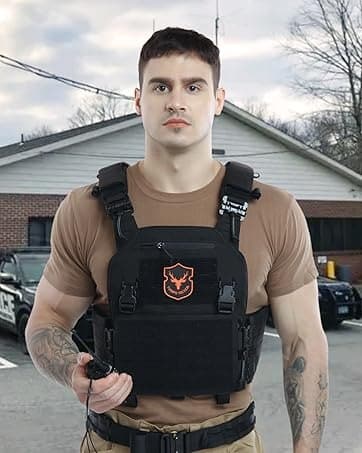
- Holster: Concealed or open-carry, mounted on your dominant side for fast access.
- Magazine pouch(Optional): Keep extra rounds.
- Utility pouch: Store a multi-tool, flashlight, or compact first-aid items.
- Slim IFAK (Individual First Aid Kit): Place at the hip or lower back for discreet, easy access in emergencies.
6. Outdoor & Outdoor Survival Battle Belt Setup

- Knife or multi-tool
- Compass or GPS pouch
- IFAK
- Small flashlight
- Water pouch
7. EDC (Everyday Carry)
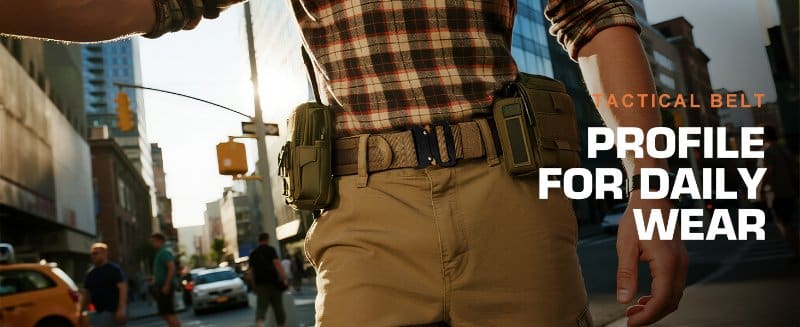
- Lightweight holster or replica
- Small magazine pouches
- Utility pouches
- Multi-tool
- Compact flashlight
Efficient Battle Belt Layout Tips
Even with the best gear, an uncomfortable belt can hinder performance. Here are some general layout tips:
- Proper Padding: Look for battle belts with inner padding to prevent chafing.
- Break-in Period: New belts and pouches can be stiff. Gradually wear and adjust before intense use.
- Modular Thinking: Use MOLLE-compatible pouches for easy swapping. ➔ Explore TUXAPO MOLLE Pouches & Attachments for Battle Belts Setup!
- Avoid Overloading: Every pouch, tool, or accessory should serve a clear purpose. A lighter belt means quicker movement, faster reloads, and less fatigue over long periods.
- Prioritize: Prioritize the most critical gear within fastest reach.
- Dominant Side Placement: Place your firearm and primary magazine pouches on your strong side for quick access. Position additional accessories, like knives or small tools, on your non-dominant side to maintain balance.
- Back and Rear: Place radios, hydration packs, or dump pouches on your back for balance and comfort. Plus, don’t overload the back to prevent sagging.
- Accessibility vs. Comfort: Keep gear you need quickly on your sides or front for easy access. Position heavier items near your waist to improve weight distribution.
- Weight Distribution: Avoid stacking heavy items in one area. Spread out the load.
- Layering: If wearing body armor, adjust your belt works with it without causing restriction.
- Test and Adjust: Move, run, bend, and squat. Adjust placement to prevent rubbing, pinching, or awkward access. Train, move, and perform tasks with your gear to ensure accessibility and comfort.
Conclusion
So, here’s the thing.
Whether you’re a law enforcement officer, military personnel, airsoft enthusiast, or outdoor adventurer, a well-configured battle belt is an investment in safety, preparedness, and confidence.
By carefully choosing a battle belt, selecting the right accessories, arranging your gear thoughtfully, and testing and tweaking your setup until it fits, your battle belt setup will perform perfectly when it matters most!
Interested in investing in the best MOLLE pouches and attachments for a battle belt?
Visit us at TUXAPO.COM.


