


Blog
Best Tactical Vest Setup 2026


Whether you’re a seasoned operator, a law enforcement professional, a tactical enthusiast, or just someone looking to get the most out of their gear, setting up the best tactical vest is crucial. A well-organized, purpose-driven tactical vest can make all the difference in the field—giving you quick access to essential gear, improving your mobility, and enhancing your overall effectiveness.
In this blog, we’ll walk you through everything you need to know to build the best tactical vest setup for your specific needs—whether it’s for duty, training, hunting, or airsoft. From selecting the right vest to choosing and placing your gear, to practical tips on how to carry it all comfortably, you’ll get a complete breakdown.
Let’s dive in!
Why Does Your Tactical Vest Setup Matter?
Your vest is not just a piece of clothing—it’s your mobile command center, your lifeline, and your load-bearing platform. How you arrange your gear affects your speed, efficiency, and even your safety.
Imagine a reload or a medical emergency where every second counts. If your magazines, medical kit, or communication tools are hard to reach or poorly organized, it will slow you down. The best tactical vest setup reduces fumbling, boosts confidence, and allows you to focus on the mission.
Choose the Right Tactical Vest

Tuxapo Camouflage 301 Lightweight Tactical Vest, Ideal for Hunting and Outdoor Activities, Made from Durable and Versatile Materials
Tactical vests come in many shapes and sizes, so start with a vest that fits your body well and matches your mission requirements.
- Plate Carrier vs. Soft Vest: Plate carriers are designed to hold armor plates for ballistic protection, making them ideal for use in combat or law enforcement. Soft vests are lighter and more flexible but offer less ballistic protection, making them better suited for training, airsoft, or low-threat environments where mobility and comfort are more important.
- Modular vs. Fixed: Modular vests with MOLLE webbing let you customize pouch and accessory placement, while fixed vests have pre-attached pockets and are less flexible.
- Fit and Comfort: Ensure the vest fits snugly yet allows for movement. Look for adjustable straps, buckles, and breathable materials.
Once you have your vest picked out, you’re ready to start adding gear. Now, let’s take a look at some must-have tactical vest gear and attachments.
Essential Gear to Put on Your Tactical Vest
Here’s a rundown of the must-have items that almost every tactical vest should include.
1. Magazine Pouches
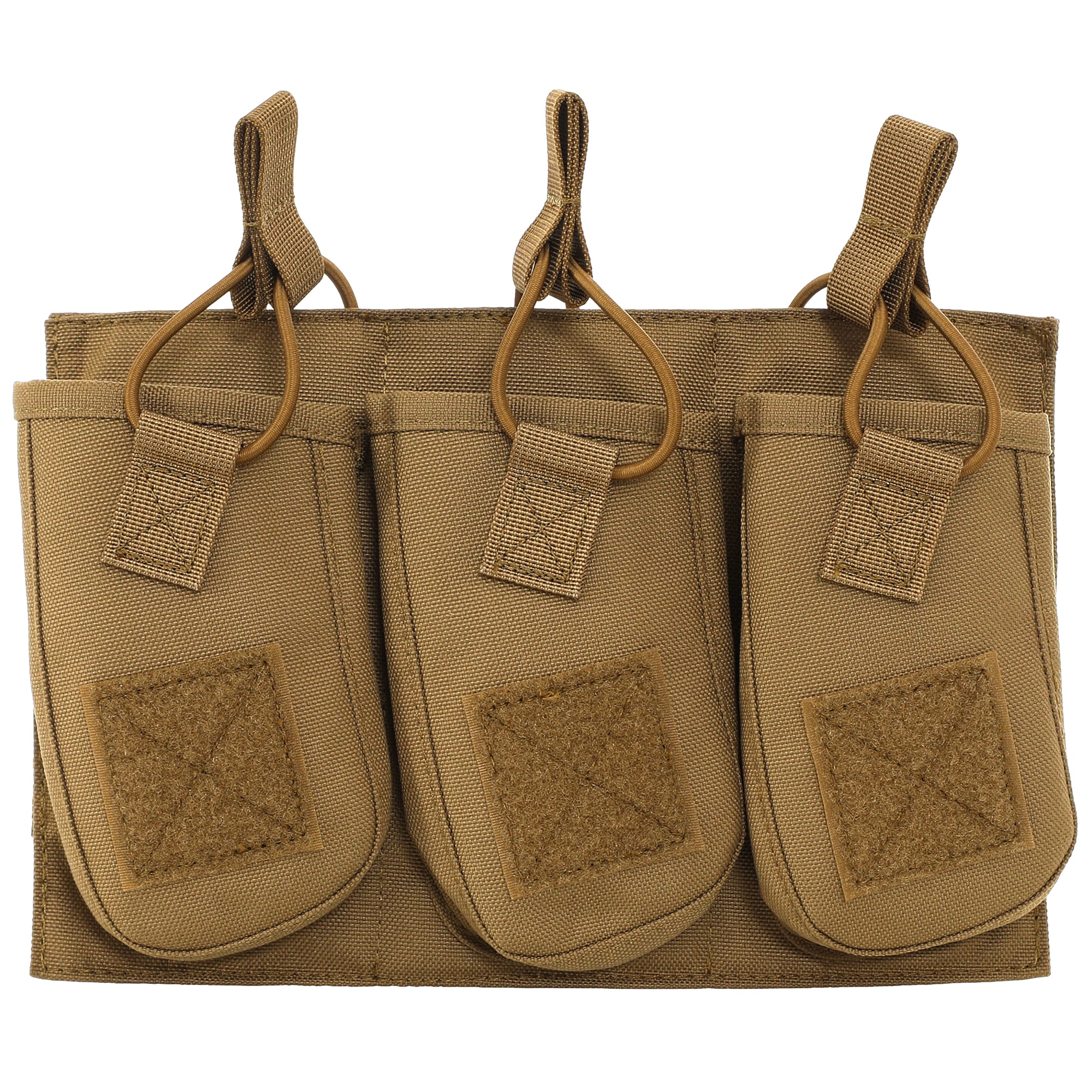
Source: TUXAPO MOLLE Magazine Pouches for Tactical Vests
Magazines are the heart of your firepower, so it’s crucial to carry enough for your mission and position them for quick, efficient reloads. Depending on how much you need to carry and how much space you have, you can choose double or triple magazine pouches to maximize storage while keeping your setup compact and organized.
2. Medical Kit (IFAK)

Source: TUXAPO MOLLE medical pouches for tactical vest setup
A small, easily accessible medical kit is an essential part of any tactical vest setup. Your IFAK should be well-stocked with critical items such as a tourniquet, pressure bandages, trauma shears, gauze, and medical tape. These supplies are vital for managing injuries quickly and effectively in the field.
3. Radio Pouch
-拷贝.jpg)
Source: TUXAPO Radio Pouches for Tactical Vest Setup
Secure your radio in a pouch near your shoulder or upper chest. This position keeps the antenna from interfering with your movements and allows you to operate the controls easily.
4. Utility Pouches


Source: TUXAPO MOLLE Utility Pouches Collection
Utility pouches are super handy because they hold all the little extras—like multi-tools, flashlights, spare batteries, snacks, maps, or even a notepad and pen. Just be careful not to overload one side. Spread the weight evenly across your vest to stay balanced and comfortable, especially during long missions or hikes.
5. Hydration Pouch or Carrier


Source: TUXAPO Hydration Pouches
A hydration pouch or carrier is a must if you’re out for hours or in hot weather. It holds a water bladder, allowing you to sip through a hose without stopping. It’s much more convenient than carrying bottles and keeps you hydrated without slowing you down or tying up your hands.
Arrange Your Gear for Maximum Efficiency
Now that you know what essentials to carry, the next step is where and how to place everything on your vest. The goal is to reduce wasted movement and speed up access.
- Strong Side Dominance: Place rifle magazine pouches on the front center of your vest or slightly offset toward your support hand, as you typically reload with your support hand while your dominant hand stays on the weapon. Pistol magazine pouches are usually placed on your dominant side, especially if you draw your sidearm with your dominant hand.
- Non-Dominant Side Medical Kit: Mount your IFAK (Individual First Aid Kit) on your support side or center chest—somewhere your non-dominant hand can reach quickly and reliably, even under stress or injury.
- Balance Weight: Evenly distribute utility pouches, radios, hydration gear, and other heavy items across the vest. Keeping the weight balanced prevents fatigue, strain, and restricted movement.
- Accessibility: Store low-priority items (e.g., maps, extra batteries, multi-tools)on the sides or back, where access is less urgent.
- Clear Lines: Avoid cluttered placements where gear overlaps or blocks other pouches.
Customizing Based on Use Case
1. Military, Law Enforcement & Police Vest Setup:

Source: Tuxapo Ballistic Plate for Tactical Plate Carrier Vests
If you’re in the military or on duty as a police officer, protection and readiness are your top priorities. You’ll want a full loadout with ballistic plates, multiple rifle and pistol mag pouches, an IFAK, a radio, and even flashbang or grenade pouches. Quick access to everything is a must, especially for reloads and medical gear. Your vest should be balanced, snug, and capable of withstanding long hours in the field.
2. Airsoft & Paintball:
For recreational use, keep it light and mobile. You don’t need armor plates or heavy pouches, just mag pouches for extra magazines, a radio, and maybe a hydration pouch. Go modular so you can adjust based on the type of game you’re playing. The key here is speed and flexibility without weighing yourself down.
3. Hunting & Outdoor Adventures:
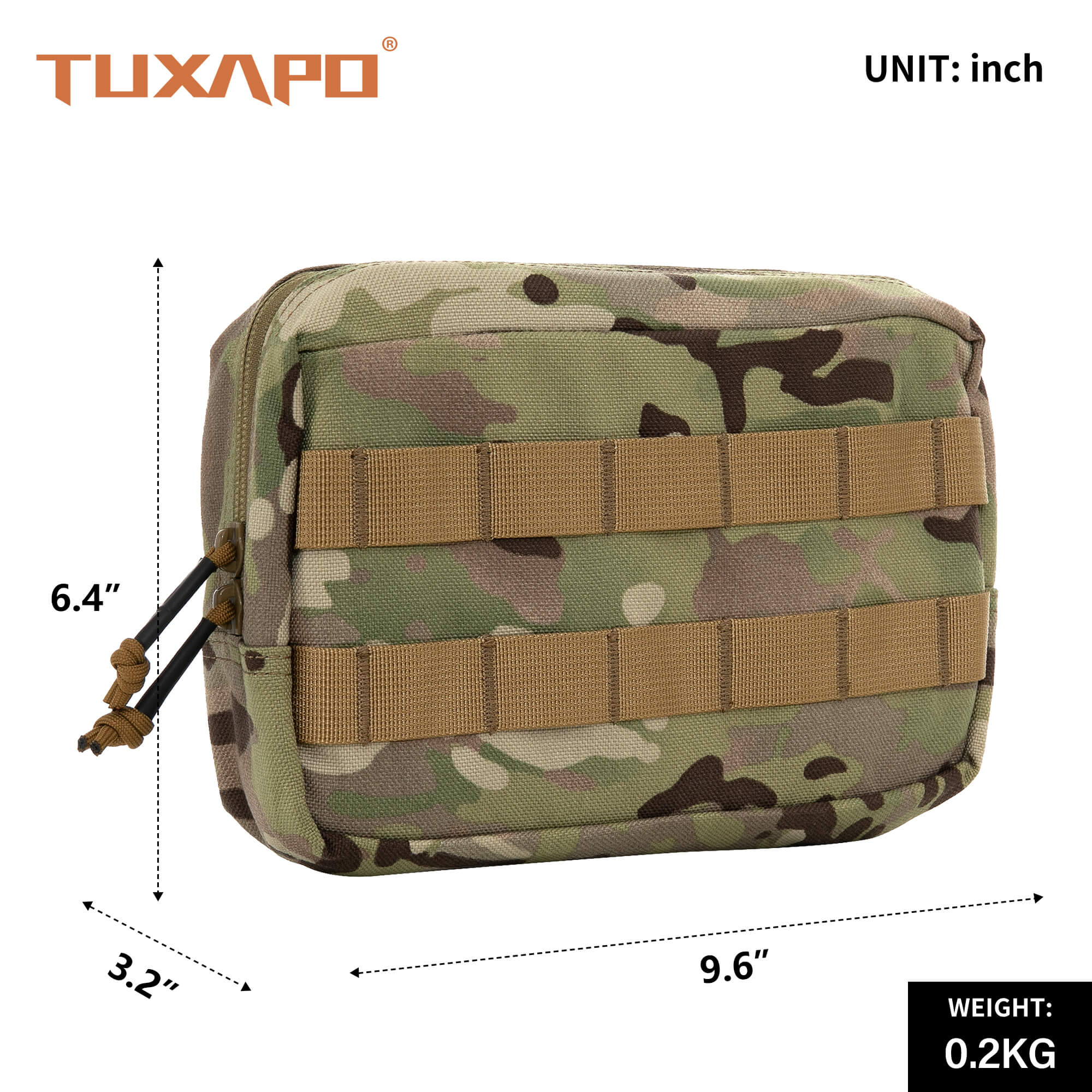
Source: TUXAPO GP Pouches Collection
In the backcountry, your vest is more about utility than combat. Include pouches for navigation tools (GPS, maps, compass), survival gear, a first aid kit, a game call, and a bino harness for compact binoculars.
4. SHTF / Emergency Preparedness:
For bug-out bags or survival scenarios, your vest needs to be ready for anything. Load it with a balance of defensive tools (if applicable), medical kits, water, food bars, fire-starting gear, and communication tools. Durability and comfort are crucial, as you may be wearing it for a long time.
3 Tips on Optimizing Comfort and Mobility
Let’s be honest: if your tactical vest isn’t comfortable, it doesn’t matter how well it’s set up. You’ll feel weighed down, overheated, and distracted, which can seriously affect your performance. So, let’s talk about how to keep your tactical vest both functional and comfortable, even during long missions, hikes, or training sessions.
Padding, Ventilation & Weight Management
Choose a vest with internal padding, especially along the shoulders and back. If yours doesn’t have padding, you can add aftermarket pads to prevent rubbing and pressure points. Look for breathable mesh materials that allow heat to escape—this makes a huge difference when you’re wearing your vest for hours in the sun.
Now, let’s talk about weight management. This is where many of us go wrong. Stick to what you truly need and distribute your gear evenly on both sides of your body so you don’t become off-balance. Keep heavier items closer to your core, and avoid bulky gear on your lower back—it’ll only get in the way, especially if you’re also wearing a backpack.
Wearing Over vs. Under Your Clothing
Wear your vest over your base layer or uniform for easy access. This also keeps the vest well-ventilated and allows your body to breathe.
However, in cold climates or during covert operations, wear it under a jacket. Just make sure it doesn’t restrict your range of motion or make it harder to access critical items like magazines or your medical kit.
Layering with Backpacks or Belts
Avoid placing thick pouches on your back where they’ll bump into a pack. Let the vest handle chest and side gear, and let the belt carry your sidearm, dump pouch, or other tools.
Test Your Setup in Realistic Scenarios
Once you’ve set everything up, the best way to know if it’s the best tactical vest setup for you is to test it under realistic conditions:
- Do timed reload drills.
- Simulate medical emergencies.
- Move through obstacle courses or training exercises.
- Adjust gear placement based on what feels natural and efficient.
Best Brands and Gear Recommendations
Tuxapo Tactical Vests
Our tactical vests are durable, MOLLE-compatible, quick-release, and built to handle real-world conditions. From heavy-duty plate carriers to lightweight tactical vests with pouches, Tuxapo offers something for every level of use, whether you’re training, on duty, hitting the airsoft field, or hunting outdoors.
Best MOLLE Tactical Vest Attachments
At Tuxapo, you’ll find high-quality plate carriers and MOLLE pouches, including mag pouches, IFAK pouches, utility pouches, EDC pouches, and hydration pouches. Tuxapo’s well-reviewed MOLLE vest accessories stay secure during movement and are easy to reposition whenever needed.
Build Your Best Tactical Vest Setup Today
Start with a high-quality vest, like those from Tuxapo, then add must-have gear: magazine pouches, a medical kit, utility tools, and a hydration system. Organize everything with purpose, test your setup in action, and adjust based on your real-world needs.
Stay sharp, stay safe, stay ready with TUXAPO tactical gear!
Read More:
- What Is Molle? And How Does It Work? All You Need to Know!
- Best Tactical Vest for Law Enforcement
- Tactical Vest for Hunting: The Ultimate Guide for Hunters
- 8 Best MOLLE Vest Attachments You Need to Gear Up Like a Pro!
- 5 Best Tactical Vests for Hunting
- Tactical Vest vs. Plate Carrier: What’s the Difference?


