


Blog
What Size Binoculars for Hunting?


Whether you’re stalking elk in the Rockies, bow hunting in thick timber, or scanning for whitetails at dawn, having the right binocular size can make spotting game faster, easier, and more enjoyable.
Not sure if you need 10×42 or 12×50? You’re in the right place. In this blog, we’ll break down everything you need to know about what size binoculars are best for different types of hunting and share tips to help you get the most out of your binoculars in the field.
Let’s dive in!
Quick View: Best Binocular Sizes by Hunting Type
If you’re short on time, here’s a quick comparison table for choosing the right binoculars based on your hunting style and environment:
| Hunting Type | Recommended Size | Why It Works |
| Elk Hunting | 10×42 or 12×50 | Long glassing sessions; open terrain |
| Deer Hunting | 8×42 or 10×42 | Versatile in woods or open fields |
| Whitetail Hunting | 8×42 | Wide field of view in dense cover |
| Bow Hunting | 8×32 or 8×42 | Compact, close-range spotting |
| Turkey Hunting | 8×32 | Lightweight, fast target acquisition |
| Western Hunting | 10×42 or 12×50 | Long-distance glassing in big country |
Understanding Binocular Numbers: What Do 10×42 and 12×50 Mean?
When you see a number like 10×42 on a pair of binoculars, it tells you two key things:
The “10x” means the binoculars magnify the image 10 times, so whatever you’re looking at will appear 10 times closer than it is.
The “42” refers to the size of the front lenses (called objective lenses), measured in millimeters. A larger lens, like 42mm, gathers more light, which helps you see more clearly in low-light situations such as early mornings, late evenings, or dense woods. Here’s a quick breakdown:
- 10x = Magnification power (makes things appear 10 times closer).
- 42 = Objective lens diameter in millimeters (bigger lens = more light = better in low light).
So, a 12×50 binocular means it brings objects 12 times closer and has 50mm lenses that let in more light.
10×42 vs. 12×50: Which One’s Better for Hunting?
Quick Comparison:
| 10×42 Binoculars – The Balanced Choice | 12×50 Binoculars – For Serious Glassing | |
| Pros |
|
|
| Cons |
|
|
Trying to decide between 10×42 and 12×50 binoculars for hunting? The right choice depends on where and how you hunt.
Let’s start with the 10×42. These are a favorite among us hunters for good reason. The 10x magnification gives you a solid zoom to spot deer, elk, or other game animals from about 200 to 600 yards away. You’ll be able to clearly see movement, antlers, and other key details without needing to be right on top of your target. The 42mm objective lenses gather a decent amount of light, which helps you see clearly at dawn and dusk—prime hunting times—without making the binoculars too heavy or bulky.
Another big plus? 10x42s are easier to hold steady by hand and carry around. You don’t need a tripod or rest to get a clear view, which is perfect when you’re on the move, still-hunting, or quickly scanning the woods from your treestand. Their compact size and lighter weight also make them ideal for long hikes or all-day hunts—you can wear them on a hunting binocular chest harness without feeling weighed down.
Now, the 12×50 binoculars offer more magnification and a brighter image in low light, thanks to those bigger 50mm lenses. That makes them awesome for long-range glassing, like 800 yards to over a mile away—think spotting elk or mule deer across a canyon or open plains. With 12x magnification, you can pick up details like antler tines, body movement, and behavior that might be hard to catch with a lower-powered optic.
This extra reach is super helpful when you’re glassing from a ridgeline or spending long periods behind the glass, trying to pick animals out of distant brush or rocky slopes. The 50mm lenses also bring in more light, so your image stays bright even in those early morning or late evening hours when animals are most active.
But there’s a tradeoff: they’re heavier, harder to hold steady without a tripod, monopod, or at least bracing on a rock or pack, and not ideal for close-range, fast-moving situations like bow hunting or stalking whitetail in dense forest.
Best Binocular Sizes by Game Type
Now, let’s break it down by the type of hunt:
1. Elk Hunting: 10×42 or 12×50

Elk usually live in open, mountainous areas. You’ll be glassing for long periods at a distance. A 10×42 gives you a stable view with enough magnification. A 12×50 is excellent if you’re using a tripod or have a steady hand.
Pro Tip: If you’re doing a backcountry elk hunt, weight factor—10x42s might be the smarter call. They offer a great balance of power and portability where every ounce and every step counts. They’re light enough for long hikes, easy to use with a bino harness straps or chest binocular harness without a tripod, and still give you enough zoom.
2. Deer Hunting: 8×42 or 10×42
Deer hunters need versatility. In thicker areas or hardwoods, 8×42 binoculars work great for their wider field of view. In more open farmland or edge habitats, 10×42 helps pick out movement from farther away.
3. Whitetail Hunting: Stick to 8×42
If you’re hunting whitetail, chances are you’re in wooded or brushy areas. That’s where 8×42 binoculars shine. They give you a wider field of view, so it’s easier to scan the area and keep up with quick-moving deer. It’s a solid choice for thick cover hunts.
4. Bow Hunting: 8×32 or 8×42
You don’t need massive magnification for bow hunting. You’re typically glassing at closer distances. Compact 8×32 binoculars are light and easy to carry, while 8×42 gives better low-light performance for early mornings.
5. Western Hunting: 10×42 or 12×50
Out West, it’s all about glassing for miles. Go with 10×42 for mobility and balance, or 12×50 for maximum range and detail.
6. Turkey Hunting: 8×32
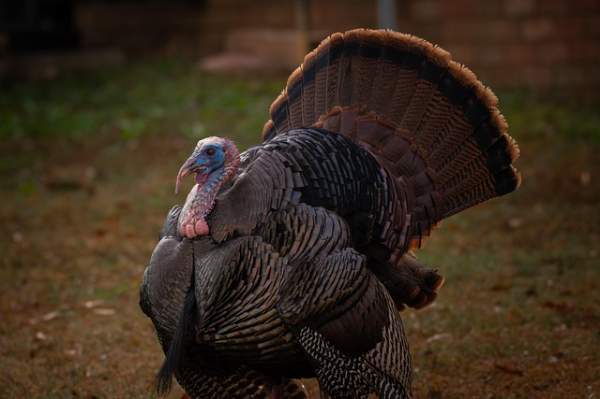
Turkeys can be surprisingly tricky to spot in cover. 8×32 binoculars are perfect: they’re compact, light, and give you enough clarity without the bulk.
What Makes a Good Pair of Hunting Binoculars?
Aside from size, here are a few features you want before owning binoculars:
- Fog-proof and waterproof: You’ll be dealing with morning dew, rain, or sudden weather changes. Make sure your binos are sealed and nitrogen-purged.
- Good eye relief: Especially if you wear glasses.
- Durable body: Rubber armor is a must for grip and impact resistance.
- Tripod compatibility: Useful for long-range glassing or extended use.
Bonus Tips to Get the Most Out of Your Binoculars While Hunting
Here are some hunter-approved tips to help you get more value out of your binoculars, move more efficiently, spot more game, and ultimately increase your chances of a successful hunt!
1. Use a Binocular Harness – Comfort, Speed, and Stealth in One

-

- Ranger Green Tuxapo Binocular Chest Pack Harness for hunting and birding

-

- Jungle Camouflage Tuxapo Binocular Chest Harness

-

- Brown Tuxapo Binocular Chest Harness


Source: Tuxapo binocular harness for hunting
If you’ve ever hiked all day with your binoculars swinging from your neck, you know it’s not exactly a fun time. Instead of letting your binoculars dangle and bounce around, a binocular harness keeps them snug against your chest, secure, quiet, always within reach, and protected from brush and branches. Besides, a binocular harness ensures:
- Less Neck Strain, More Focus
Traditional neck straps can wear you down after just a couple of miles, especially if you’re glassing a lot. Instead, a bino harness redistributes that weight evenly across your shoulders and upper back, which means less fatigue and fewer distractions. You’ll be more comfortable, more alert, and more focused on spotting game, not adjusting your gear every five minutes.
- Quick Access When It Counts
When a buck steps out at the treeline or you hear an elk bugle in the distance, a bino chest harness or strap ensures you can get your binoculars up fast. With one smooth motion, you’re glassing your target without making a sound or missing a moment.
- Added Protection and Storage
For example, the Tuxapo binocular chest harness comes with extra compartments for your tags, wind checker, compact rangefinder, lens covers, and rain covers. This means your binoculars stay protected from dust, rain, and scratches.
2. Steady Wins the Game
No matter how sharp your lenses are, shaky hands can blur everything. Use your elbows to brace against your knees, a tree, or your pack. Better yet, carry a monopod or lightweight tripod if you’re glassing for long periods.
3. Scan in a Grid Pattern
Instead of randomly scanning the landscape, move your binoculars slowly in a left-to-right, top-to-bottom grid. It helps you cover every inch of the terrain and reduces eye strain.
4. Don’t Rush Glassing Sessions
Some hunters make the mistake of rushing through glassing, especially in big country. Sit down, get comfortable, and give your eyes time to pick up movement. Patience often pays off.
5. Look for Movement First, Detail Second
Don’t always have to spot the whole animal. Watch for ear flicks, antler tips, or a flash of movement. Once something catches your eye, zoom in and confirm with your binoculars.
6. Keep Your Lenses Clean and Dry
Keep a microfiber cloth or lens pen in your pack, and use lens covers or a binocular chest harness with covers when hiking. Also, opt for fog-proof binoculars if you hunt in humid or cold conditions.
7. Learn to Glass During Prime Time
Dawn and dusk are when animals are most active, but also when lighting gets tricky. Use binoculars with good low-light performance, like 42mm or 50mm objective lenses, to take full advantage of these golden hours!
8. Adjust the Diopter for Your Eyes
Most binoculars have a diopter adjustment to match differences in your eyes. Take the time to set it properly. Once it’s dialed in, your view will be way sharper.
9. Practice Before the Season Starts
Practice using your binoculars while wearing your hunting gear, gloves, and harness. The more second-nature it becomes, the faster you’ll be when it counts.
Conclusion
In short, when choosing the right binocular size, think about your hunting style, terrain, and comfort. Go with something like 8x42s for wooded areas, 10x42s for general hunts, or 12x50s for long-range glassing. Keep our above tips in mind to spot game faster and hunt more effectively. Ready to upgrade your gear? Check out our top-rated binocular harness systems and more hunting gear at Tuxapo.com. Take your next hunt to the next level!


